


Single origin coffee comes from one country, and often one region or farm. A blend combines beans from several origins. Both can be excellent. The difference is what they are built to do.
What single origin coffee is
A single origin coffee tastes of where it was grown: the soil, the altitude, the variety and how the cherries were processed. Colombian coffee tends towards caramel and clean citrus, Brazilian towards nuts and chocolate, and many East African coffees towards fruit and florals.
Because there is nothing else in the bag, single origins are the best way to taste those differences. They are also less predictable, since each harvest can taste a little different.
What a blend is
A blend combines coffees so that each contributes something: one for sweetness, one for body, one for brightness. The roaster's goal is a cup that tastes the same all year and holds up in milk.
The Bowan Island House Blend is a good example. It is built from seven single origin coffees, with caramel from South America, earthy chocolate from Africa and a citrus lift from Sumatra. Bravo Supreme blends beans from Kenya, New Guinea, Java, Colombia and India, using two roast profiles.
Which should you buy?
- Milk coffee every day: a blend. Consistent, sweet, and built for milk.
- Black coffee, filter or plunger: a single origin, where the character comes through.
- Not sure: try one of each side by side. The difference is much clearer that way than from memory.
Is single origin better quality?
Not automatically. Single origin describes where coffee comes from, not how good it is. A carefully built blend of high quality beans will beat a poorly roasted single origin. For a quality signal, see what specialty coffee actually means.
One of each to compare
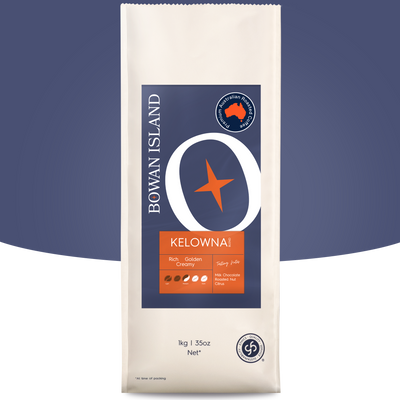
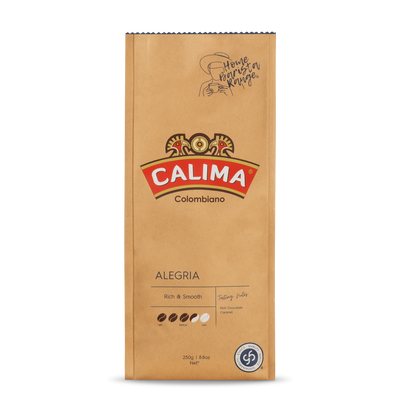
Calima Alegria is 100% single origin arabica from the Calima region of Colombia. Put it next to the Bowan Island House Blend and you will taste the difference between one origin and seven.
Common questions
What does single origin coffee mean?
Coffee from a single country, and often a single region, estate or cooperative, rather than a mix of origins.
Is single origin coffee good for espresso?
Yes, especially black. In milk, a single origin's more delicate notes can get lost, which is why most cafes use a blend for milk coffee.
Why are blends so common?
They taste consistent through the year and across harvests, and they can be balanced for milk. That consistency is what cafes need.
Browse our single origin coffee range or all coffee beans.


