


Coffee grows in a band around the equator, and each country's altitude, soil, climate and processing traditions leave a mark on the cup. Three origins make a good map of the range: Colombia, Brazil and Ethiopia.
Colombian coffee beans
Colombia grows almost entirely arabica, much of it at altitude in mountain regions, and it is known for balance: caramel sweetness, medium body and a clean citrus finish. It is the easiest origin to like, black or with milk.
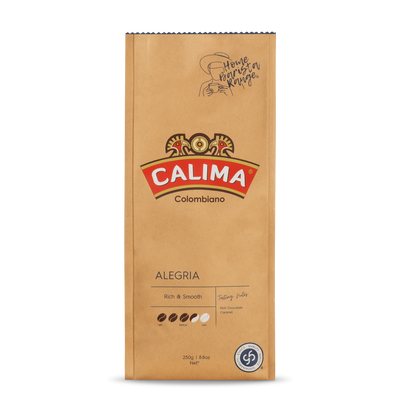
We stock several Colombian single origins. The Smuggler comes from Colombia's western highlands. Calima comes from the Calima region and is endorsed by the National Federation of Coffee Growers of Colombia.

Brazilian coffee beans
Brazil is the world's largest coffee producer. Brazilian coffee is typically lower in acidity, nutty and chocolatey, with a heavy body, which makes it a common base for espresso blends and a natural fit for milk coffee.
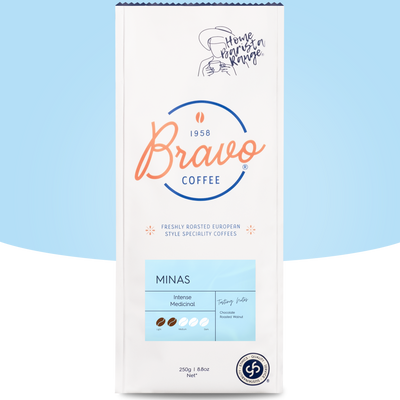
Bravo roasts three Brazilians in Sydney: Santos, named after the port that has shipped Brazil's coffee for over a century; Minas Santos, earthy and nutty; and Minas, the same bean roasted longer for a darker cup.
Ethiopian coffee beans
Ethiopia is where coffee comes from, and it still grows an extraordinary variety of heirloom arabica. Ethiopian coffees are often floral and fruity, with notes of berries, citrus and tea, especially when washed or naturally processed.
We do not currently stock a single origin Ethiopian. For African character, the Coffee Specialists American blend combines African coffee with South American beans, and the Bowan Island House Blend takes its earthy chocolate from its African component.
Which origin should you choose?
- Milk coffee: Brazil, or a blend with a Brazilian base.
- Balanced black coffee: Colombia.
- Fruity, bright black coffee or filter: Ethiopia.
Common questions
What does Colombian coffee taste like?
Balanced and sweet, with caramel, a medium body and a clean citrus finish.
Is Brazilian coffee good for espresso?
Yes. Its low acidity and chocolatey body make it a classic espresso and milk coffee origin.
Why is Ethiopian coffee so different?
Ethiopia is coffee's birthplace and grows a huge range of heirloom varieties, which gives its coffees their fruit and floral character.
For single origins versus blends, see single origin vs blend, and browse our single origin coffee.


