Matcha sets are sold as 2, 4, 5, 7 and 8 piece kits, and the piece count is doing a lot of marketing work. Three items do the actual job. The rest range from genuinely useful to decorative.
The three you need
- A chawan (matcha bowl). Wide and shallow, so the whisk can travel in a W motion without hitting walls. This is the piece people try to substitute with a mug, and a mug is why their matcha is lumpy and flat.
- A chasen (bamboo whisk). Dozens of fine tines that put insoluble leaf into suspension and aerate it. Nothing else does this properly.
- A whisk holder. The cheapest item in the box and the one that decides whether your whisk lasts two months or a year. Bamboo dries into the shape you leave it in.
The useful extras
- A sifter. More valuable than its price suggests. Matcha compacts in the tin and dry lumps do not break up once wet. Sift and most lump problems disappear before they start.
- A chashaku (bamboo scoop). Two scoops is roughly 2g, which is a standard serve. A half teaspoon does the same job, but the scoop makes the dose consistent without weighing.
- A spouted bowl or server. Worth having if you mostly drink iced matcha lattes, because it lets you whisk in one vessel and pour cleanly into a glass of milk.
The ones you can skip
Larger sets pad the count with a tea towel, a coaster, a spare stand, a small storage tin or a second cup. None of it is bad, none of it changes the drink. Judge a set on the quality of the bowl and whisk, not on whether it says 8 piece on the box.
Which set size to buy
- 2 piece — bowl and whisk. The honest minimum, and a fine way to find out whether matcha becomes a habit. Add a holder separately.
- 4 piece — bowl, whisk, scoop, holder. The sweet spot for most people, and what we would recommend if you are starting from nothing.
- 7 or 8 piece — adds the sifter and usually a spouted server. Worth it if you already know you will drink matcha daily, or if it is a gift and the box should look like an occasion.
What to look for in the bowl
Width beats beauty. You want something around 10 to 12cm across and not too deep, with a slightly rough interior base if possible, because a little texture helps break up the paste. A flat-bottomed narrow bowl fights the whisk.
Heavier stoneware holds heat better through a slow whisk and does not slide around the bench. Thin porcelain looks finer and cools faster. Both work; the weight is a preference, not a quality marker.
What a set does not include
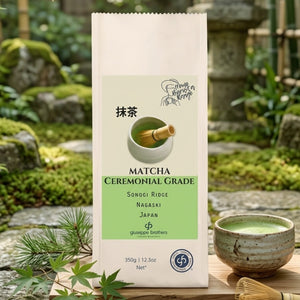
The matcha. Almost no kit ships with usable powder, and the small sachet that occasionally comes with one is rarely worth drinking. Budget for a tin of ceremonial grade matcha separately, and read the grade guide before you choose one, because buying the wrong grade is the most common way people waste money on matcha.
Browse matcha sets and kits, or pick pieces individually from whisks, bowls and tools.