Matcha tastes like a green vegetable that has been made sweet. The closest comparisons most people land on are fresh garden peas, spinach, seaweed and steamed edamame, with a creaminess that has nothing to do with milk and a finish that is clean rather than drying.
It does not taste like the green tea you steep from a bag. That is the first surprise.
The four things you are tasting
- Umami. The savoury depth, the same quality you get from stock or parmesan. It comes from L-theanine, and in good matcha it is the dominant note.
- Sweetness. Not sugar. A vegetal sweetness, like the first bite of a raw pea.
- Grassiness. Fresh cut grass, hay, sometimes a marine note closer to nori.
- Bitterness. A short astringent edge at the very end. It should be a punctuation mark, not the sentence.
Why shading changes everything
Matcha plants spend the last three to four weeks before harvest under shade cloth. Starved of light, the leaf overproduces chlorophyll, which is where the electric green comes from, and concentrates L-theanine instead of converting it to catechins.
Catechins are the bitter compounds. So shading is doing two jobs at once: raising the sweet, savoury amino acid and suppressing the bitter one. Unshaded green tea gets the opposite balance, which is why sencha is brisk and astringent where matcha is round and sweet.
Is matcha the same as green tea?
Same plant, Camellia sinensis. Different growing, different processing, different drink.
Green tea is leaves you steep and discard. Matcha is shaded leaves with the stems and veins stripped out, then stone ground to a powder finer than flour, which you whisk into suspension and drink entirely. Because you consume the leaf rather than an infusion of it, the flavour is far more concentrated and the texture is slightly thick, almost like a very thin broth.
If yours tastes bad, it is one of three things
- Water too hot. Boiling water scorches matcha and pulls the catechins straight out. 70 to 80°C. This is the single most common mistake.
- Wrong grade. Culinary grade is made from older leaves and is meant to sit under milk and sugar. Drunk straight with water it is harsh, and that is not a fault, it is the wrong tool. The grades are worth understanding.
- Old matcha. Ground leaf oxidises fast. Matcha that has gone dull olive or yellow-brown instead of vivid green will taste flat and fishy. Once opened, use it within about two months.
What good matcha looks like before you taste it
Colour is the most reliable signal you have without opening your mouth. Vivid, almost fluorescent green means young shaded leaves handled well. Dull, khaki or yellowish means older leaves, stems left in, or age. You can see the difference between two tins side by side instantly.
Growing into it
Most people do not love straight matcha on day one, particularly coming from sweetened cafe versions. Start with a well-made matcha latte where the milk softens the edges, then try it with water once the flavour is familiar. The savoury note is the one that takes adjusting to, and it is also the one people end up drinking it for.
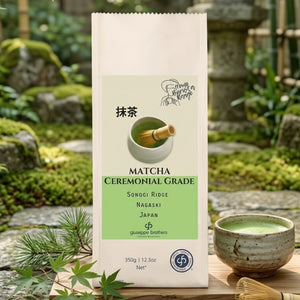
Browse our matcha powder, or the sets with a bowl and whisk if you want to make it the way it is meant to be made.