


Almost every tea in the world comes from one plant. White, green, oolong, black and dark tea are all Camellia sinensis, and the difference between them is not the bush, the country or the price. It is oxidation: how long the picked leaf is allowed to react with air before heat stops the process.
Once you know that, the tea aisle stops being a wall of names and turns into a scale, from barely touched to fully oxidised. Everything else, chamomile and peppermint included, sits outside it.
The six families of true tea
- White. Young buds and leaves, withered and dried, barely oxidised. Pale, soft, faintly sweet. The most delicate and the easiest to ruin with hot water.
- Green. Heated within hours of picking to stop oxidation dead. Grassy, vegetal, sometimes marine. Steamed in Japan, pan fired in China, and the two taste nothing alike.
- Yellow. Green tea with an extra slow smothering step that takes the raw edge off. Rare, mostly Chinese, and you will not see it in a supermarket.
- Oolong. Partly oxidised, anywhere from about 10 to 80 percent. The widest range of flavour in tea: the light end is floral and creamy, the dark end is roasted and stone fruity.
- Black. Fully oxidised. Malty, brisk, coppery in the cup. This is what most of the world means by tea and what almost every breakfast blend is built from.
- Dark. Fermented after oxidation by microbial action, pu erh being the famous one. Earthy and mellow, and it improves with age rather than going stale.
Herbal teas are the exception. Chamomile, peppermint, rooibos and fruit infusions contain no Camellia sinensis at all. The correct word is tisane. They are grouped with tea because you make them the same way, not because they are related.
Black tea, and why breakfast blends taste the way they do
Black tea is fully oxidised, which is what turns the leaf dark and builds the malt and the body. It is also the only family that reliably survives milk, because the tannins and the strength give it something to push back with.
Leaf grade matters more than most people realise. Broken Orange Pekoe, the grade in most good breakfast tea, means the leaf is deliberately broken into small even pieces. More cut surface means faster extraction, which is why a BOP brews strong and coloured in three minutes while a whole leaf takes longer and stays gentler.
Our English Breakfast is pure Ceylon BOP, grown in Sri Lanka. It brews burgundy, holds up to milk, and is the one to reach for if you want tea to taste like tea before you have properly woken up.
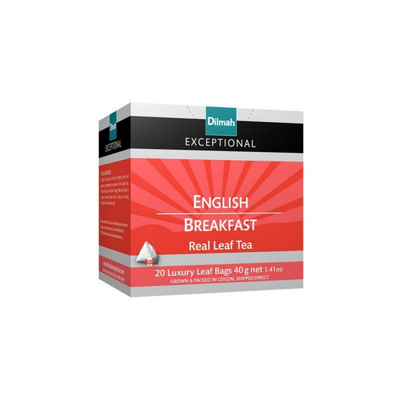
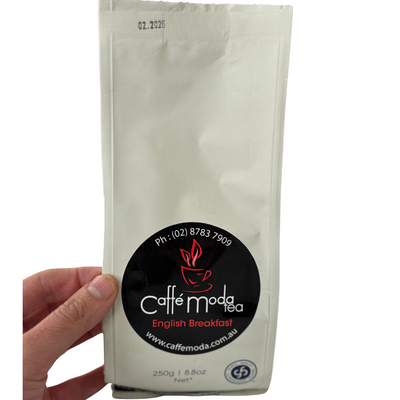
The two are the same style in different formats. Pyramid bags if you want one cup at a time with nothing to clean, 250g loose if you brew by the pot and want to control the strength yourself.
Flavoured and scented black tea
Two of the most familiar teas in the world are black tea with something done to it, and the something is what people are actually buying.
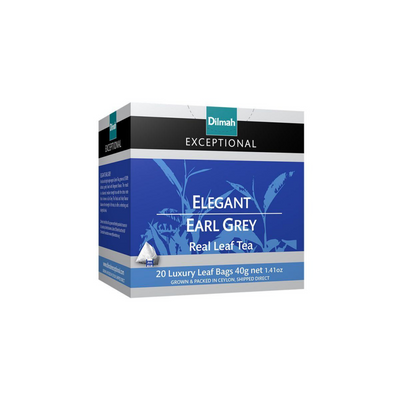
Earl Grey is black tea fused with bergamot, a bitter citrus from Calabria. That is the entire definition. A good one lets the citrus sit above a medium strength tea rather than fight it, which is the difference between floral and perfumed. Ours is single region Ceylon grown at 5,500 feet, and the airtight foil pouch is doing real work here, because bergamot oil fades faster than the tea underneath it.
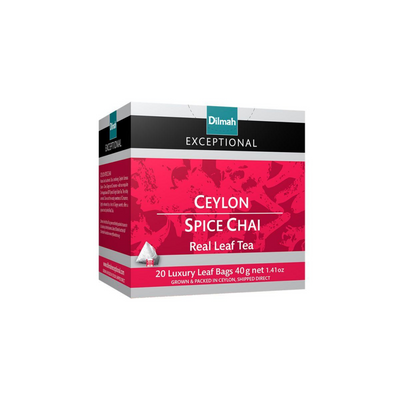
Chai means tea. Masala chai means spiced tea, and the spice is usually cinnamon, clove, ginger and cardamom in some combination. The common failure is a spice mix with a little tea hiding in it, which tastes like potpourri once you add milk. A chai built on a malty Ceylon base has enough body to carry the clove instead of vanishing under it.
How to brew green tea, and the water temperature that ruins it
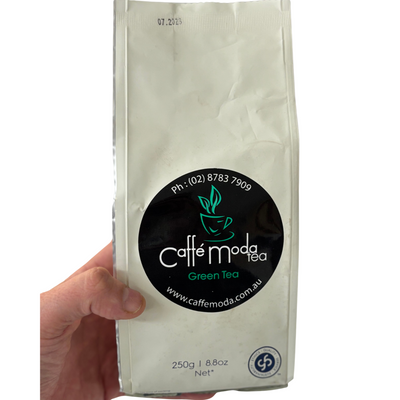
Green tea is not oxidised, so it keeps the vegetal, grassy character of the fresh leaf. It is also the family most people brew wrong, because boiling water scalds the leaf and pulls out a hard bitterness that is not the tea's fault.
Use water at about 80C. Boil the kettle and let it stand for two or three minutes if you have no temperature control. Two to three minutes of steeping, no more, and no milk.
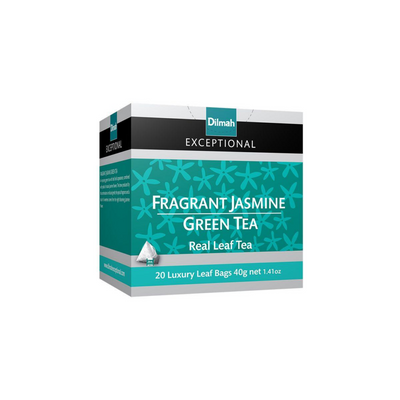
Jasmine green is scented, not flavoured. The leaf is laid with jasmine blossom so the flower scent is absorbed by the tea rather than sprayed on afterwards, which is why a proper one smells sweet without tasting like soap.
Tisanes: the ones that are not tea
Herbal infusions are made from leaves, flowers, roots or fruit, contain no tea plant, and are naturally caffeine free. That last part is the whole reason most people drink them, and it is why they take a different set of rules: full boiling water, and a longer steep than any real tea, usually five minutes or more, because there is no bitterness waiting to be over extracted.
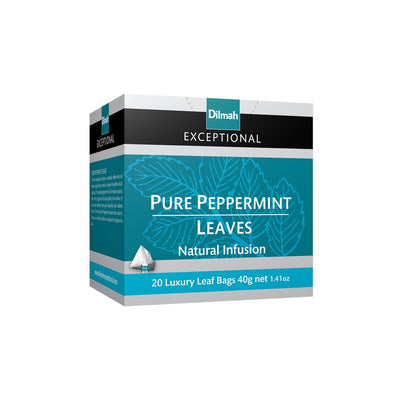
Peppermint is pure leaf, and the menthol comes from the natural oil in it. It cleanses the palate after a meal and settles the digestion, which is why it turns up at the end of dinner rather than the start of the day.
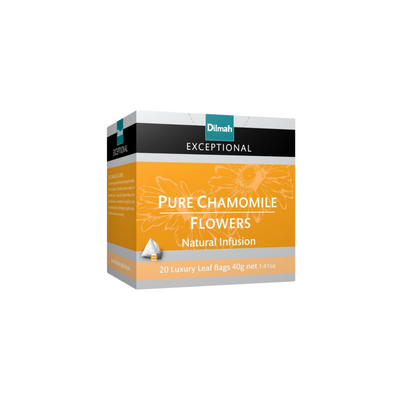
Chamomile is the dried flower, and the aroma is closer to apples than to anything herbal. It is the standard evening tea for the obvious reason that it has no caffeine to keep you up.
How long to steep, by family
- White: 75 to 85C, 3 to 5 minutes
- Green: 70 to 80C, 2 to 3 minutes
- Oolong: 85 to 95C, 3 to 5 minutes
- Black: 95 to 100C, 3 to 5 minutes
- Dark: 95 to 100C, 3 to 5 minutes, rinse the leaf first
- Herbal: 100C, 5 minutes or longer
The pattern is simple. The less oxidised the tea, the cooler the water and the shorter the steep. Squeezing the bag does not make tea stronger, it makes it more bitter, because you are wringing out tannin the brew had already finished with.
Loose leaf or tea bags
The old argument was about quality, and it was fair when a tea bag meant dust and fannings, the smallest particles left after grading. Pyramid bags changed that, because there is room in them for whole and broken leaf to open properly, which a flat paper bag never allowed.
What you are really choosing now is control. Loose leaf lets you set the dose, brew by the pot and use the leaf twice. Bags give you one consistent cup with no strainer to rinse. Both of our English Breakfast and Jasmine Green teas come either way for exactly that reason.
Common questions
What is the difference between black tea and green tea?
Oxidation, and nothing else at the plant level. Both come from Camellia sinensis. Black tea is fully oxidised, which builds malt, body and colour. Green tea is heated straight after picking to prevent oxidation, which keeps it grassy and light. Black tea also carries more caffeine and takes milk, green tea does neither well.
How much caffeine is in tea?
Roughly 40 to 70mg per cup for black tea and 25 to 45mg for green, against about 95mg for a cup of coffee. It varies a lot with dose, water temperature and steep time, so treat those as ranges rather than numbers. Herbal infusions have none at all.
Does chamomile tea help you sleep?
It has no caffeine, which is the part that definitely matters. Beyond that the evidence for a direct sedative effect is thin and mostly small studies. The warm drink and the wind down routine are doing a fair share of the work.
Is peppermint tea good for bloating?
Peppermint oil has reasonable evidence behind it for digestive symptoms, and it has been drunk after meals for that reason since Roman times. A cup of peppermint tea is a much weaker dose than a capsule, so expect the mild version of the effect.
Does chai have caffeine?
Yes. Chai is black tea with spices, so it carries black tea caffeine, around 40 to 70mg a cup before you dilute it with milk. A caffeine free chai would have to be built on rooibos rather than tea.
How many types of tea are there?
Six families of true tea: white, green, yellow, oolong, black and dark. Everything else on a shelf is one of those six that has been blended, scented or flavoured, or it is a herbal infusion and not tea at all.
Can you reuse tea leaves?
Loose leaf, yes, and good oolong and green tea are meant to be steeped several times, each infusion tasting slightly different. Tea bags, not really. The leaf is broken small enough that the first brew takes most of what there is.
The whole range, bags and loose leaf, is on the tea page. If you want the other end of the caffeine question, we have written up how much caffeine is in coffee as well.


