


A moka pot makes the strongest coffee you can brew without a machine. It is also the brewer people most often give up on, because the first few pots taste burnt and nobody explains why.
The reason is almost always heat. Here is the method we use behind the counter.
What you need
- A moka pot. Three cup is right for one person, six cup for two.
- Coffee ground finer than filter, coarser than espresso. Like table salt.
- Hot water from the kettle, not cold water from the tap.
How to use a moka pot, step by step
1. Fill the base with hot water
Fill to just below the safety valve, the little brass button on the side. Use water off the boil, not cold. Cold water sits on the heat for minutes while the grounds slowly cook, and that is where the burnt taste comes from. Hot water gets the pot brewing in under a minute.
The base will be too hot to hold. Use a towel.
2. Fill the basket, do not tamp
Spoon the grounds in and level them off with a finger. Do not press them down. A moka pot builds only one to two bars of pressure, nothing like the nine bars of an espresso machine, and a tamped bed will choke it.
3. Assemble and put it on a low flame
Screw the top on firmly using the towel. Low to medium heat, and keep the flame inside the base's footprint. A flame licking up the sides scorches the metal and the coffee inside it.
4. Take it off early
Coffee will rise steadily and darkly. When it turns pale and starts to hiss and splutter, it is done, and everything after that point is bitter. Take it off, run the base under a cold tap for a second to stop the extraction, and pour.
The three things that ruin it
Grind too fine. Espresso grind blocks the basket and forces the pot to spit. Go one or two steps coarser.
Heat too high. If it erupts in ten seconds, the flame is too big. Lower it until brewing takes about four to five minutes from cold.
Old grounds packed hard. Coffee ground weeks ago has lost the aromatics you paid for, and tamping makes the pressure problem worse.
How to clean a moka pot
Rinse with hot water and dry it. No detergent, it strips the oils that season an aluminium pot and leaves a soapy taste. Replace the rubber gasket when it goes hard, roughly once a year with daily use, and check the safety valve is not blocked.
Moka pot or espresso machine
People often call moka coffee stovetop espresso. It is not, and the difference is pressure. An espresso machine pushes water through the bed at around nine bars. A moka pot manages one to two. That is why moka coffee has no crema and a heavier, rounder body rather than the syrupy intensity of a shot.
What it does give you is strength for almost no money and no maintenance. A pot costs less than a fortnight of takeaway coffee, has no pump, no boiler and no electronics, and will still work in twenty years.
Which size to buy
Moka pots are sized in espresso cups, not mugs, and this catches everyone out. A three cup pot makes about 130ml total, which is one decent mug. A six cup makes around 270ml, enough for two.
Buy for the number of people who drink at once, and buy the size you will fill every time. A moka pot has to be filled to its marks to work, so a six cup pot brewing for one person is not an option.
Water matters more than you would think
Coffee is about 98 percent water, and Sydney tap water is moderately hard. That hardness builds scale in the base and mutes the sweetness in the cup. Filtered water tastes noticeably cleaner and keeps the pot healthier.
Do not use distilled or fully softened water either. Coffee needs some mineral content to extract properly, and water with nothing in it pulls a flat, hollow cup.
Troubleshooting
Bitter and ashy. Heat too high, or you left it on past the splutter. Lower the flame and pull it earlier.
Sour and thin. Grind too coarse, or you took it off too early. Go finer, and let the flow run until it pales.
Coffee sprays everywhere. Grind too fine or the basket is tamped. Coarsen up and level the grounds with a finger instead of pressing.
Nothing comes up. Blocked basket or a perished gasket letting steam escape. Check both.
Metallic taste. A new aluminium pot needs seasoning. Brew two or three pots and throw them away, it settles down.
Which pot
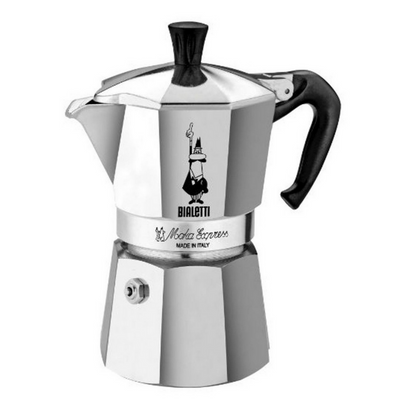
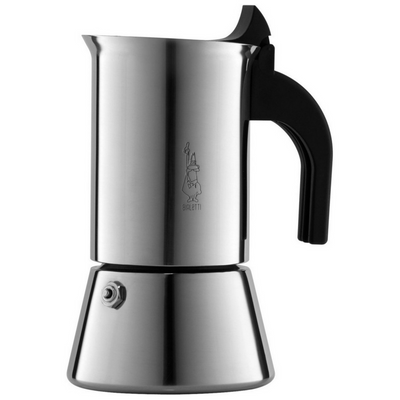
We stock the Bialetti range, the pot that invented the category in 1933. The Moka Express is the classic aluminium one. The Venus is stainless steel and works on induction, and there is an induction plate if you want to keep an aluminium pot on a modern cooktop.
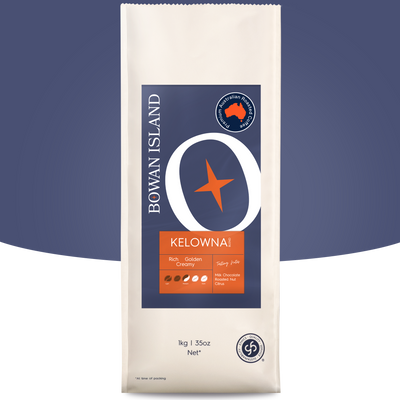
For the coffee itself, a darker roast suits the moka pot's heavy body. Tell us your brew method at checkout and we grind it to match on the day it ships.
Moka pots we stock
Both of these are the classic aluminium Bialetti, the pot this whole method was built around.
Common questions
What grind do you use for a moka pot?
Finer than filter and coarser than espresso, about like table salt. If the pot spits or chokes, go one or two steps coarser.
How much coffee does a 3 cup Bialetti make?
About 130ml in total, which is one decent mug. Moka pots are sized in espresso cups, so a six cup pot makes around 270ml, enough for two.
Can you use a Bialetti moka pot on induction?
The stainless steel Venus works on induction. The classic aluminium Moka Express needs an induction plate underneath it.


