


Cappuccino vs latte is the oldest question on any cafe menu, and the answer is foam. Not strength, not size, not the shots. Both are espresso and steamed milk. What changes is how much air goes into that milk and how it sits in the cup.
Cappuccino vs latte: the difference in one line
A cappuccino is roughly equal parts espresso, steamed milk and foam, with a thick airy cap you can rest chocolate dust on. A latte is espresso with considerably more steamed milk and only a thin foam layer, so it drinks softer and longer.
Classically the cappuccino follows a thirds rule: one third espresso, one third milk, one third foam, in a cup around 150 to 180ml. A latte pushes the milk up and the foam down, usually in a 200 to 240ml serve.
What that does to the taste
Foam is mostly air, so it carries less sweetness and less body than liquid milk. A cappuccino therefore tastes lighter in the mouth but more coffee forward, because the actual volume of milk against the espresso is lower.
A latte tastes rounder and sweeter. More liquid milk means more lactose in the cup, and lactose reads as sweetness. It also means the coffee has more to fight through, which is why delicate single origins tend to vanish in a latte.
The Australian cappuccino
If you order a cappuccino in Italy you get espresso, milk, foam and nothing else, usually before 11am. In Australia it almost always arrives dusted with chocolate powder, and nobody minds what time it is.
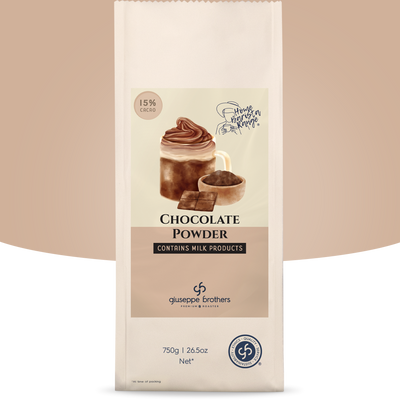
That dusting is not decoration alone. It sits on the foam and hits your nose before the coffee does, which is a real part of why the Australian version tastes the way it does. If you are making them at home, a shaker of good drinking chocolate is doing more work than you think. Ours is on the drinking chocolate page.
How to make a cappuccino: getting the foam right
A cappuccino needs the milk stretched longer. Keep the steam wand tip near the surface for three to four seconds, listening for a steady tearing sound, then submerge it to spin and polish. You are aiming for a foam that holds its shape but still flows, not stiff peaks.
The classic home mistake is dry foam: milk stretched too long, full of large bubbles, that sits on top like shaving cream and leaves a hollow gap under the surface. It looks generous and drinks badly. The fix is in how to froth milk like a barista.
Which beans suit which drink
A cappuccino has less milk to cut through, so it will carry a medium roast comfortably and even a lighter one. A latte needs more body behind it. If your latte tastes thin or sour, the roast is probably too light rather than the milk being wrong.
Our dark roast beans are built for milk, with chocolate and toast rather than fruit, and they stay present under a large volume. For cappuccinos, medium roast gives you more to taste.
For the cappuccino at home
The chocolate dusting is doing more work than most people think, and a shaker gives you an even layer rather than a clump.


Common questions
How do you make a cappuccino at home?
Pull your espresso, then stretch cold milk for three to four seconds with the wand tip near the surface before submerging it to spin. Stop at 60 to 65C, pour over the shot so a thick cap builds, and dust with drinking chocolate if you want the Australian version.
Which is stronger, a cappuccino or a latte?
They usually carry the same espresso, so the caffeine is the same. A cappuccino tastes stronger because there is less liquid milk in the cup.
Is a cappuccino healthier than a latte?
It has less milk, so slightly fewer kilojoules for the same size, but the difference is small. Milk choice and added sugar matter far more.
What is a dry cappuccino?
One made with extra foam and very little liquid milk. Some people love it. It is also what you get by accident when the milk has been over stretched.
How is a flat white different from both?
A flat white has the least foam of the three, with thin microfoam worked all the way through the milk. See flat white vs latte for that comparison.
Why does my home cappuccino foam collapse?
Usually milk that was steamed past about 65C, or milk that was reheated. Both destroy the proteins that hold the foam together. Start with cold fresh milk and stop at 60 to 65C.
The right cup helps more than people expect. A cappuccino wants a rounder bowl to build the cap in, and our cups and saucers range is shaped for it.


